
¡Bienvenido a nuestra Casa Rural en Azuaga, Extremadura! El Cortijo Viña del Duco es una antigua casa de labranza familiar de Azuaga rehabilitada como alojamiento turístico. Nuestros huéspedes disfrutan del cortijo al completo, de la finca junto al río Bembézar y la naturaleza de su entorno: está a solo 1,2 km del pueblo.
🏡 Se alquila la casa completa
😎 8 personas
🔥 Chimenea
🍖 Barbacoa
⛱ Muebles de Jardín
❄️ Aire acondicionado
🌳 Finca disponible de 11 hectáreas
🐕 Se aceptan mascotas
🥘 Cocina totalmente equipada
🪑 Mobiliario tradicional
🏠 Estancia de 240 m²
🛌 4 Dormitorios
🛀 2 Baños completos
🚽 1 Aseo
🖥 Televisión y WiFi
🥂 Ideal para grupos

Vista desde el camino
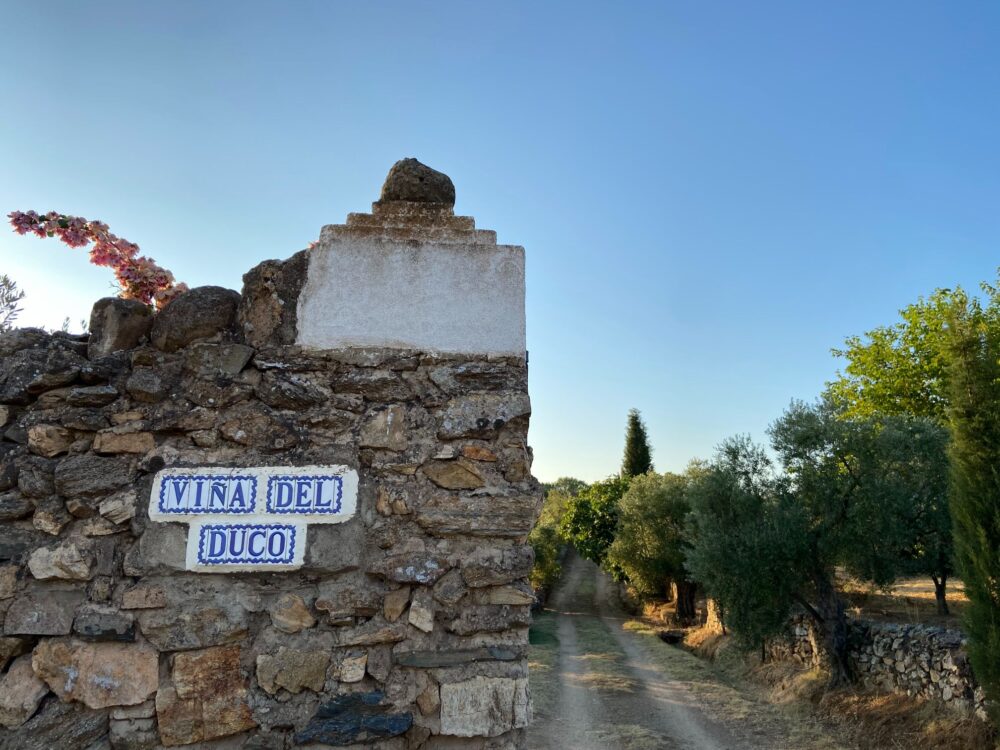
La casa rural y el palomar

Casa rural ideal para grupos
Una casa ideal para viajes en grupo con familia y amigos, con un sabor auténtico, estilo tradicional y más acogedor que un hotel. Disponemos de chimenea, aire acondicionado y barbacoa. Esta casa rural de Badajoz está justo a media distancia de Sevilla, Córdoba y Mérida, a solo hora y media de las tres capitales.
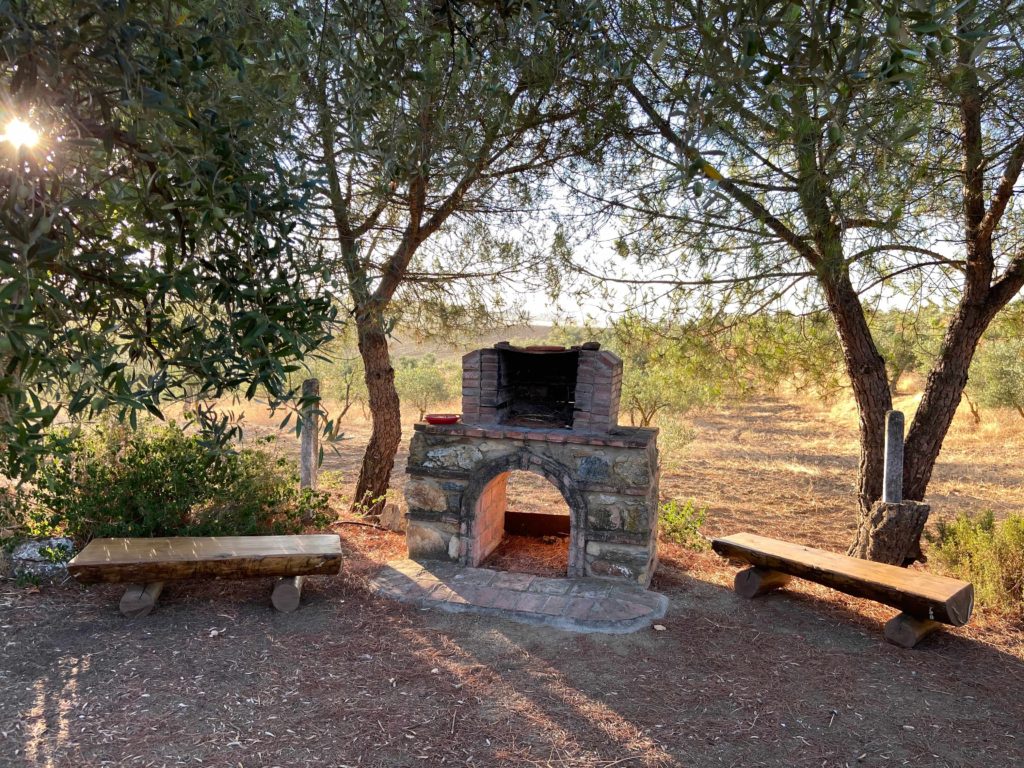
Barbacoa y bancos de madera artesanales
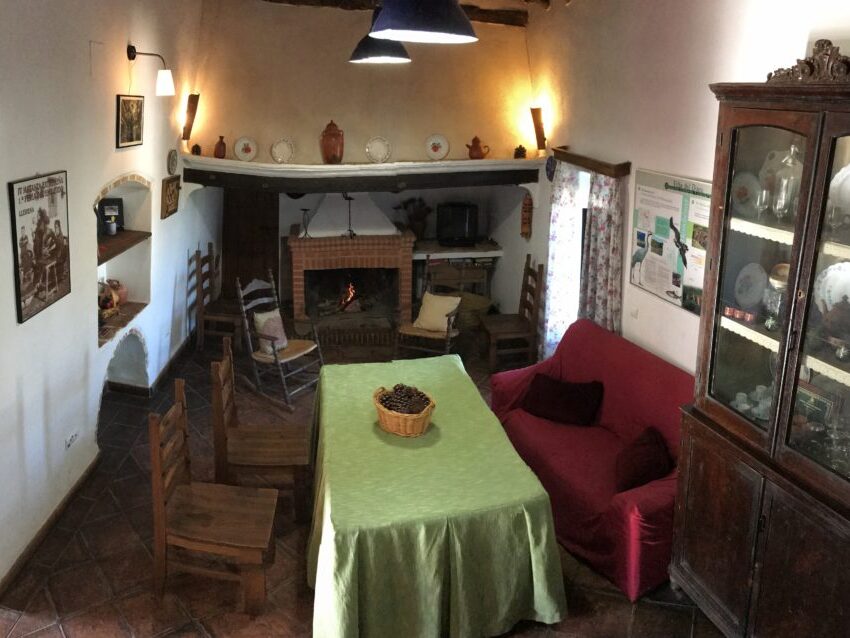
Salón comedor con chimenea y a/c
Casa rural tradicional en el campo
Nuestra casa rural es una auténtica casa de campo, rodeada de olivos, pinos, cipreses, etc… a escasa distancia del río Bembézar, a un paseo de Azuaga, pueblo blanco de la Campiña Sur Extremeña. Junto al cortijo, un curioso palomar, un nido de cigüeñas y una alberca de riego para la huerta.
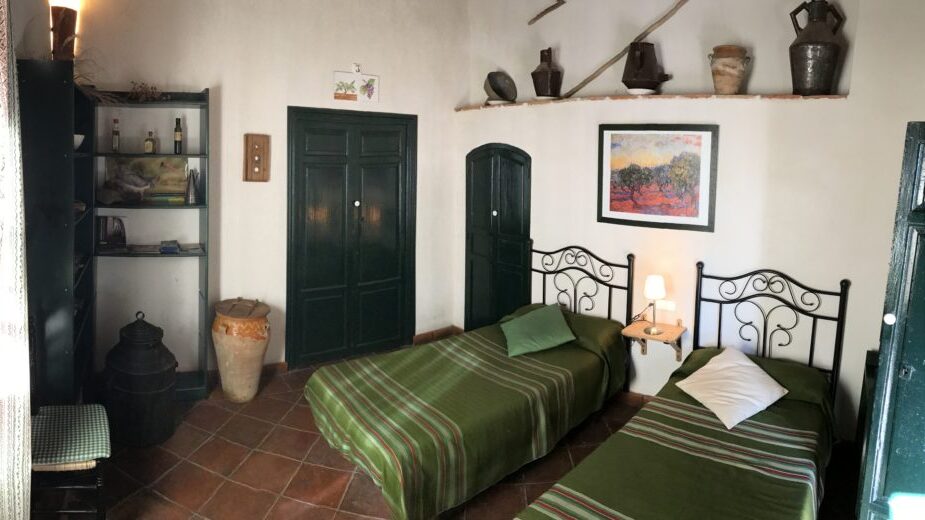
Dispone de un salón con chimenea tradicional y aire acondicionado, cocina, cuarto de baño y aseo. Hay cuatro habitaciones-dormitorios, una de ellas es un antiguo lagar. Además de un altillo para dos personas.
Habitación del trigo
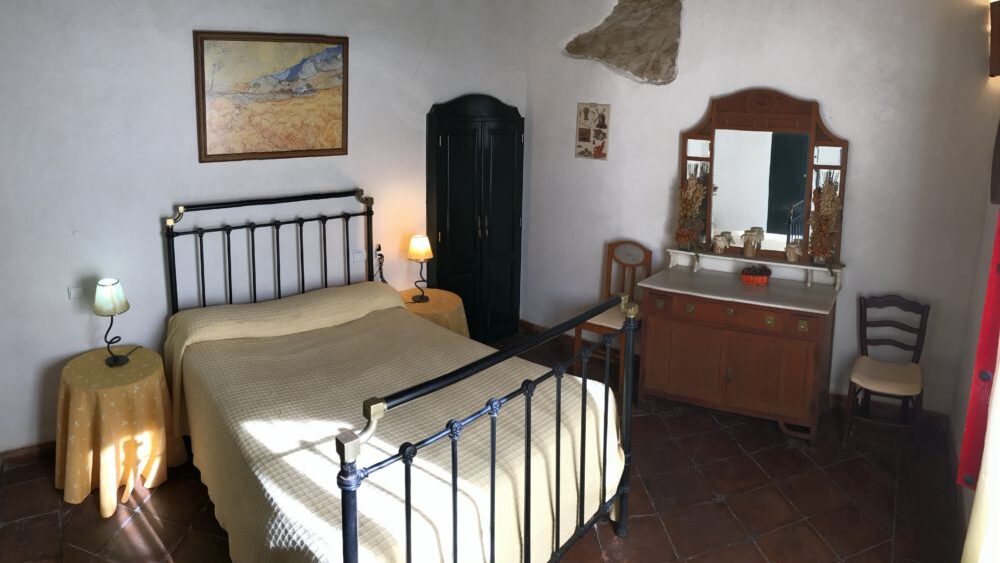
Habitación del olivo
Casa rural con salón de reuniones
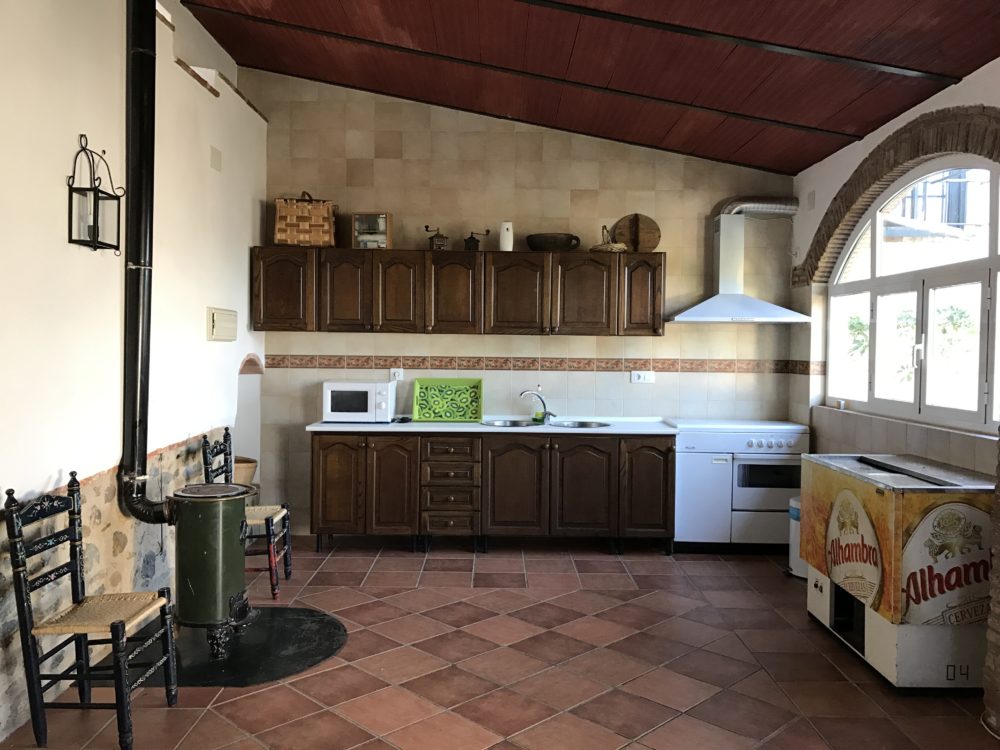
Nuestro salón de reuniones es complementario a la casa y está a disposición de los inquilinos. El acceso es sin barrera arquitectónica alguna y posee baño adaptado para personas con movilidad reducida. Este espacio con patio y cocina equipada se alquila con la casa rural.
Patio del salón de reunión
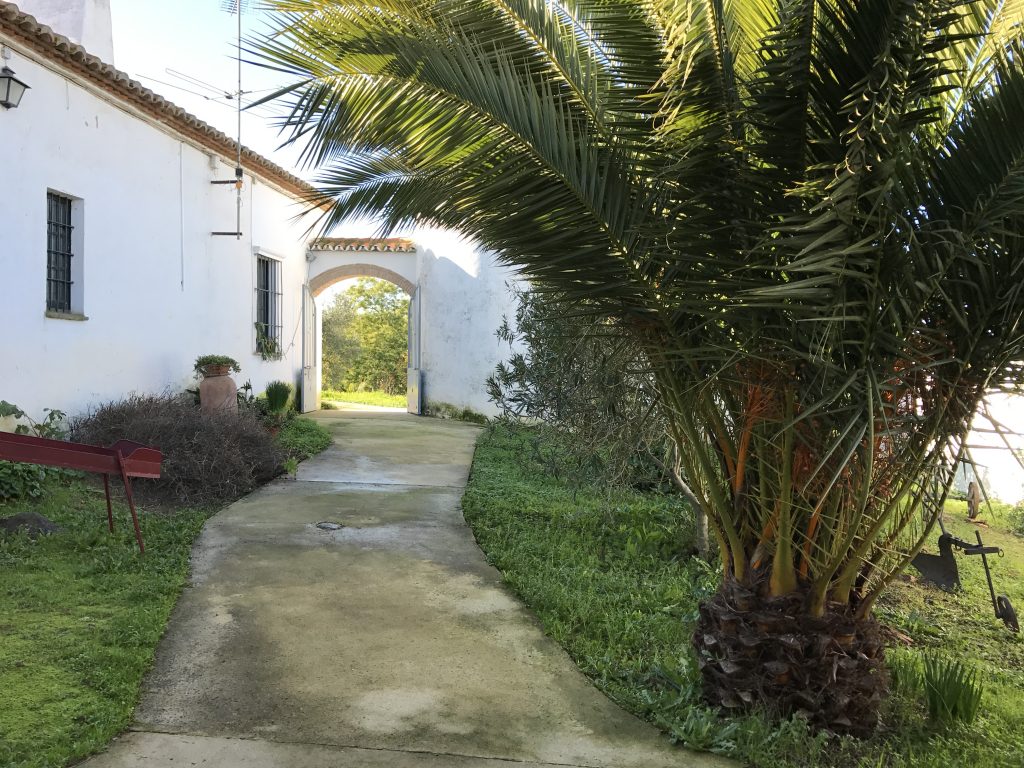
Salón de reunión
Casa rural que permite mascotas
Disfrute del aire puro, el sol, el silencio y la tranquilidad en un lugar agradable, con un toque diferente a un hotel al uso, donde podrá observar la naturaleza y los paisajes de Azuaga con familia y amigos. Además las mascotas están permitidas, si bien rogamos que nos avisen previamente. (Más información aquí). Se admites mascotas con carnet de vacunación.
O bien visite los monumentos, museos, exposiciones, gastronomía típica, lugares de copas y ambiente de Azuaga y pueblos vecinos de la Campiña Sur. No se lo pierda, Extremadura es la gran desconocida y tiene mucho que ofrecer.
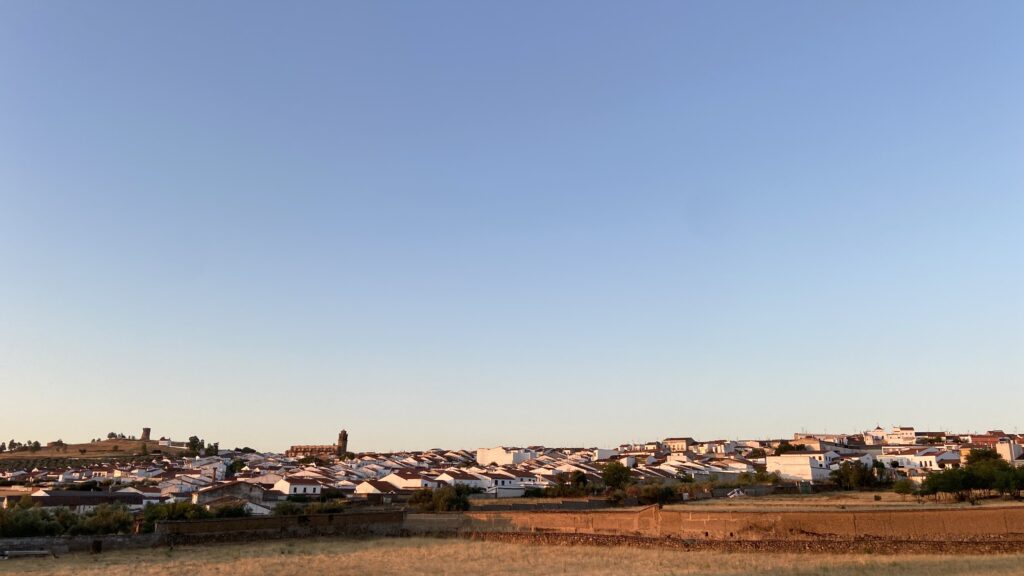
Vista de Azuaga desde el camino de las Curtidas
Plaza del Cristo en Azuaga

🎁 Bono regalo para casa rural
Regala ocio y naturaleza en la Campiña Sur de Extremadura. Obsequia un fin de semana tranquilo con el bono regalo de la casa rural Viña del Duco en Azuaga.
*El bono no tiene valor en sí mismo a menos que se haya abonado previamente.